Short answer: A power flush pumps water and cleaning chemicals through your heating system at high flow to shift sludge from radiators and pipes. It helps when radiators are cold at the bottom, the boiler is noisy, or before fitting a new boiler to an old system. It does not fix limescale in tap water parts, which is a separate Bristol problem.
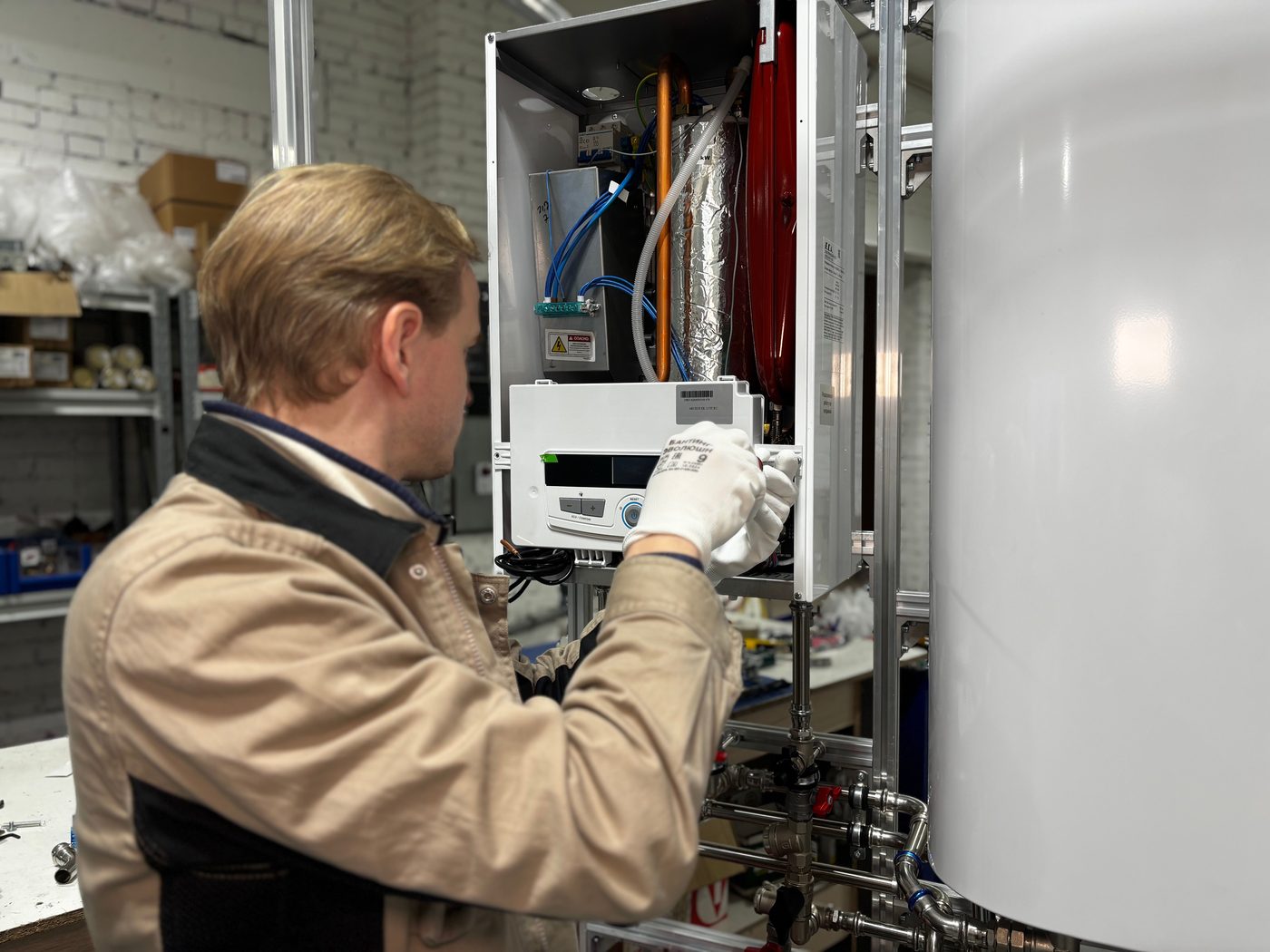
Cold radiators are a common winter complaint in Bristol, especially in the big Victorian and Edwardian terraces off Gloucester Road. Someone usually suggests a power flush. Sometimes that is the right answer. Sometimes a simpler fix will do.
This guide explains what a power flush does, when it is worth it, and where it gets confused with Bristol’s hard water problem.
What a power flush is
Your central heating is a closed loop of water. Over time, the steel inside radiators slowly corrodes. The result is a black sludge, mostly iron oxide, that settles in the bottom of radiators and in pipes. It blocks flow, makes the boiler work harder and can damage pumps and heat exchangers.
A power flush connects a pump to the system, usually at the boiler or a radiator. It pushes water and cleaning chemicals round at high flow, often reversing the direction, and dumps the dirty water out until it runs clear. Then the system is refilled with clean water and inhibitor, a chemical that slows future corrosion.
Sludge is not limescale
This is where Bristol homes get confused. Bristol Water says all its water is moderately hard to very hard. That hardness causes limescale wherever fresh mains water is heated: the tap water side of a combi, a hot water cylinder, an electric shower.
Your heating water is different. It is filled once and then goes round and round. It can have some scale, especially if a system has been topped up a lot because of a leak, but the main problem in heating water is sludge.
| Problem | Where it forms | Main cause | Usual fix |
|---|---|---|---|
| Sludge | Radiators, heating pipes, boiler heat exchanger | Corrosion inside the heating loop | Power flush or chemical clean, filter, inhibitor |
| Limescale | Combi hot water side, cylinders, showers, taps | Bristol’s hard mains water | Scale reducer, softener, descaling, part replacement |
If your hot water is poor but your radiators are fine, a power flush is unlikely to help. Our guide to hard water and combi boilers covers that side.
Signs a power flush may help
- Radiators warm at the top and cold at the bottom
- Black or brown water when you bleed a radiator
- Some radiators heating far slower than others
- A boiler that bangs or kettles on the heating side
- A pump that keeps failing
- Pinhole leaks in older radiators
Some of these have other causes. Cold at the top usually means air, which bleeding fixes. One cold radiator may be a stuck valve. A good engineer checks before recommending anything.
Older systems in Bishopston and Horfield
Many homes in Bishopston and Horfield still have open vent heating systems. That means a small feed and expansion tank in the loft, a hot water cylinder, and a mix of old and new radiators added over the decades. These systems are open to the air through the loft tank, which lets in oxygen and speeds up corrosion. They often have the worst sludge.
Long pipe runs in tall terraces, radiators on three floors, and the odd microbore pipe added in the 1970s all make flow harder. In these houses a power flush can make a real difference. It can also expose weak points. An old radiator held together by sludge may start to weep once it is clean. We talk this through before starting.
Before a new boiler
If you are replacing a boiler, the system must be cleaned first. Fitting a new boiler to dirty water shortens its life and can void the warranty. That clean might be:
- A power flush for a heavily sludged system
- A chemical clean with a mains flush for a system in better shape
- A gravity drain and refill on a newer, clean system
Alongside the clean, a magnetic system filter is normally fitted to catch future debris, and the system is refilled with inhibitor. Our new boiler page explains what goes into an install, and our guide on combi vs system boilers covers which type suits older Bristol homes.
What affects the price
We do not publish prices. The things that change the price of a flush are:
| Factor | Why it matters |
|---|---|
| Number of radiators | More radiators take longer to clean one by one |
| How dirty the system is | Heavy sludge needs more time and chemicals |
| System type | Open vent systems may need the loft tank cleaned too |
| Access | Radiators behind furniture or boxed in pipework add time |
| Extra parts | Filter, new valves or a failed radiator found during the flush |
The price is confirmed after a look at the system.
When not to power flush
A power flush is not always the right call. It may not be worth it if:
- The system is very old with lots of weak radiators, and replacing them is the better plan
- The problem is air or a stuck valve, not sludge
- Your issue is hot water from the taps, not the heating
If your boiler has other faults, our boiler repair page explains how we diagnose them.
The short version
A power flush shifts sludge from your heating, not limescale from your hot water. In older Bishopston and Horfield terraces with open vent systems it is often worth it, especially before a new boiler. Finish with a filter and inhibitor so the problem does not come straight back.
Quick questions
How do I know if I need a power flush?
Common signs are radiators cold at the bottom but warm at the top, dark water when you bleed a radiator, a noisy boiler and slow heat up times. A check of the system water confirms it.
Does a power flush remove limescale?
It targets sludge in the sealed heating water, which is mostly iron oxide from corroding radiators. Limescale in the tap water side of a combi comes from Bristol's hard mains water and needs a different fix.
Is a power flush needed with a new boiler?
The system must be cleaned before a new boiler goes on. That might be a power flush, a chemical clean or a mains flush, depending on how dirty the system is.
Can a power flush damage old pipes?
It can expose weak spots. Old radiators or joints that were held together by sludge may weep once clean. A good engineer checks the system first and tells you the risk.
Last updated 23 October 2026. Written for homes in Bristol. Rules can change, so check the linked sources for the latest position.