Short answer: A toilet that keeps running usually has a worn flush valve seal letting water trickle into the bowl, or a fill valve that will not shut off and sends water to the overflow. In Bristol, limescale from hard water often causes both. Turn the isolating valve off to stop the waste, then replace the seal or valve.
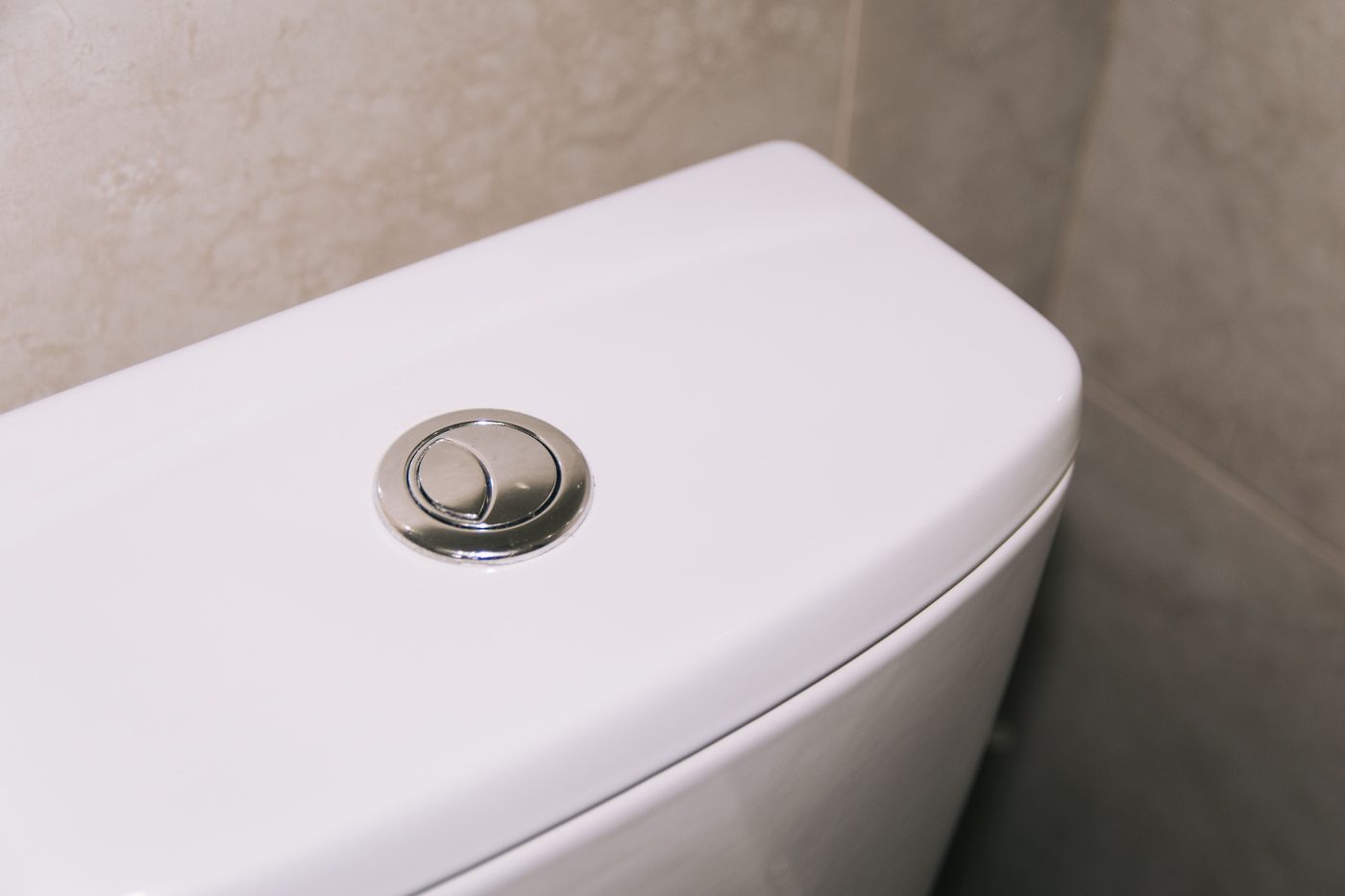
A toilet that keeps running is easy to ignore. It is also one of the most common jobs in Bristol homes, and the city’s hard water is a big reason why. This guide explains the two causes, how to tell which one you have, and what fixing it involves.
Two ways a toilet keeps running
Water has two ways to escape from a cistern.
| What you see | Cause | Common fix |
|---|---|---|
| A trickle or ripple in the bowl long after flushing | Flush valve seal or siphon washer leaking | New seal or new flush valve |
| Cistern refilling by itself every so often | Flush valve seal leaking slowly | New seal |
| Water running down the internal overflow into the bowl | Fill valve not shutting off, water level too high | Adjust float, clean or replace fill valve |
| Water dripping from a pipe outside the house | Older cistern with an external overflow, fill valve not shutting | Replace fill valve |
| Hissing that never stops | Fill valve diaphragm worn or blocked | Replace fill valve or diaphragm |
Older Bristol houses often still have external overflow pipes poking out of the back wall. If you see one dripping onto a rear yard, the toilet or the loft tank is overfilling.
Why hard water makes it worse in Bristol
Bristol Water says all water in its area is moderately hard to very hard. It lists limescale in and around toilets among the problems it causes. Inside a cistern, that scale does damage you cannot see:
- it builds up on the rubber seal at the bottom of push button flush valves, so the seal no longer sits flat
- it hardens rubber washers on older siphon flushes
- it furs the small hole in a fill valve diaphragm, so the valve shuts slowly or not at all
- it stiffens the float arm so it sticks
This is why a modern dual flush toilet in a Bristol bathroom can start running after a few years, even when nobody has touched it.
Simple checks you can do
First, stop the waste. Turn the isolating valve on the pipe that feeds the cistern. It usually needs a flat screwdriver turned a quarter. If there is no valve, turn off the stop tap.
Then lift the cistern lid and look.
- Is the water above the overflow? If water is spilling into the overflow tube, the fill valve is the problem. Many modern valves have an adjuster to lower the water level.
- Does the float move freely? Lift it gently. If the water stops, the float was sticking.
- Food colouring test. Put a few drops of food colouring in the cistern. Do not flush. If colour shows in the bowl after half an hour, the flush seal is leaking.
- Look at the seal. On a push button flush, the seal is a rubber ring at the base of the valve. Scale or grit on it stops a proper seal. A wipe can sometimes fix it for a while.
If you are not confident, leave the isolating valve off and book a repair. A running toilet is not usually an emergency once the water is isolated.
What a plumber does
On a visit a plumber will usually:
- identify the exact flush and fill valve fitted, as there are many types
- replace the seal, or the whole valve if it is scaled or brittle
- fit or replace an isolating valve if there is none
- set the water level correctly
- check the cistern to pan seal and the pan connector for leaks
Concealed cisterns behind boxing or wall panels are common in newer Bristol bathrooms and in flats. These need access through the flush plate or a panel. If the panel is tiled over, access takes longer.
Our tap and toilet repairs page explains what a repair visit involves.
The 2026 hosepipe ban
Bristol Water brought in a hosepipe ban from 27 August 2026 to protect the River Severn during drought. The ban covers hosepipes, not toilets, but Bristol Water is asking customers to save water wherever they can. A running toilet can waste water all day and all night. If you are on a meter, you are paying for every litre. Our guide to the Bristol hosepipe ban has more ways to cut waste at home.
When a running toilet means something bigger
- A toilet running and the meter still moving with it off. The leak may be elsewhere. Bristol Water’s help with leaks page explains a meter test.
- A loft tank overflowing too. In older homes with a cold water tank in the loft, a stuck float valve in the tank is a separate fault. Common in interwar semis in Henleaze and Westbury on Trym.
- A toilet in a basement flat that runs and then stops working. If it is a macerator toilet, see our guide to macerator toilet problems.
Keep it from coming back
- when parts are replaced, choose good quality valves that can be serviced
- clean visible scale from the flush seal when you clean the bathroom
- avoid blue in cistern blocks, which can harm some seals
- consider scale protection for the whole home if limescale is a constant battle
Quick questions
How do I stop my toilet running right now?
Turn off the small isolating valve on the pipe feeding the cistern, usually with a flat screwdriver. If there is no valve, lift the float arm or turn off the stop tap. Flush once to empty the cistern.
Does a running toilet waste much water?
It can waste a lot over a day, and on a water meter you pay for it. During Bristol Water's 2026 hosepipe ban, fixing running toilets is one of the easiest ways to save water at home.
Why does my toilet run on and off by itself?
That usually means the flush valve seal is leaking slowly. The cistern drains a little into the bowl, the fill valve tops it up, and the cycle repeats. Replacing the seal normally fixes it.
Last updated 23 October 2026. Written for homes in Bristol. Rules can change, so check the linked sources for the latest position.