Short answer: A drain smell indoors usually comes from a trap that has dried out, a worn seal at the base of a toilet, a cracked waste or soil pipe, or a blocked vent that lets sewer gas past the traps. Start by running water in any sink, bath or shower you rarely use, then check the toilet base and soil stack.
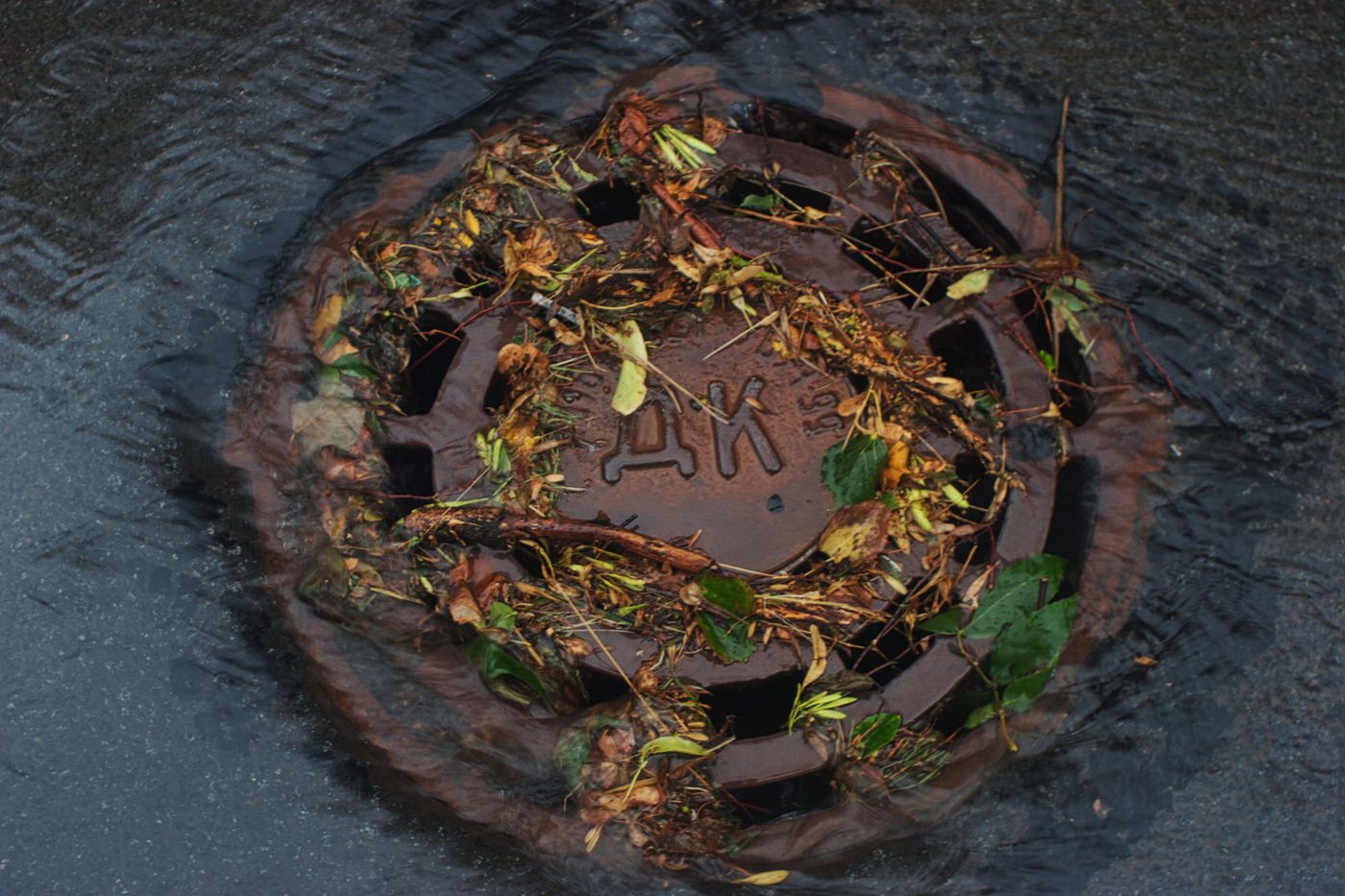
A drain smell indoors is one of those problems that is easy to put off. It comes and goes. It is worse on warm days. It seems to move from room to room. Most of the time the cause is simple and cheap to fix. Sometimes it is a sign of a leak that is soaking into a floor or wall. This guide helps you narrow it down.
These calls come up a lot in Brislington, where homes range from Victorian and Edwardian terraces near the Bath Road to interwar semis further out. Many have had kitchens and bathrooms moved, cellars converted or extensions built. Each change adds new pipe joints. Our Brislington area page covers the housing we usually work on there.
Start with the simple causes
| Where the smell is | Most likely cause | What to try |
|---|---|---|
| Spare bathroom, guest shower, utility sink | Dry trap from not being used | Run water for a minute |
| Cellar or basement floor | Dry floor gully or old drain opening | Pour water in, or cap if redundant |
| Behind the toilet | Worn pan connector or seal | Check for damp at the base |
| Under the kitchen sink | Loose trap or dishwasher hose | Tighten, clean the trap |
| Whole house, worse on windy days | Vent blocked or cut short | Check the top of the soil stack |
| Outside back door | Blocked gully or yard drain | Clear leaves and debris |
| After draining a bath | Trap being sucked dry | Vent or air admittance valve needed |
Dry and siphoned traps
Every sink, bath, shower and toilet has a trap. It is a bend that holds a small pool of water. That water stops gas from the drain coming into the room.
Traps dry out when a fitting is not used for a few weeks. A spare room basin, a cellar sink or a downstairs shower are typical. The fix is to run water through them now and then.
Traps can also be sucked empty. When a large volume of water rushes down, such as a bath emptying, it can pull the water out of a nearby trap. You hear a gurgle and then smell drains. That usually means the pipe is not vented properly. It is common after a bathroom has been moved without changing the soil stack.
Toilet seals and pan connectors
The toilet connects to the soil pipe through a rubber or plastic connector. Over time it hardens, cracks or moves. You may see damp on the floor behind the pan, staining on the boards or a smell that is strongest when you kneel down.
In older Bristol terraces, the toilet often sits on timber floorboards over a cellar or a kitchen. A leaking connector can rot those boards slowly. If the floor feels soft, get it looked at soon.
The soil stack and its vent
The soil stack is the large pipe that takes waste down from the toilet. Its top should be open to the air, above the highest window, to let gases escape. If the top has been cut short, capped or blocked by a bird’s nest, smells can be pushed back through the traps.
On many Brislington and Totterdown terraces the stack is old cast iron on the back wall. Cracked joints can let smells out right beside a bedroom window. Our guide to soil stack replacement covers the signs.
Cellars and old drain openings
Bristol has many homes with cellars, especially in older inner suburbs. Some have an old floor gully or a capped drain that nobody uses. If the water in it dries out, smells come straight up. Pouring a jug of water in is a quick test. If the opening is not needed, it can be sealed properly.
Blocked drains outside
A slow or blocked drain can also cause smells. Waste sits in the pipe and gases build. Lift your inspection chamber cover. If it is full of water, there is a blockage further down.
Wessex Water is responsible for public sewers and most shared pipes. You are responsible for pipes serving only your home up to your boundary. Our guide to whether Wessex Water will clear your drain explains how to tell.
When it is more than a smell
Call a plumber soon if:
- There is damp on a ceiling below a bathroom.
- Floorboards near the toilet feel soft.
- The smell is constant, not just now and then.
- You hear gurgling from several fittings at once.
- Sewage comes up into a bath, shower or gully.
These point to a leak or a blockage, not just a dry trap. Our blocked drains page explains how we find and fix the cause. If a drain needs checking along its length, a CCTV drain survey shows the inside without digging.
Do not confuse it with gas
Drain smells and gas can be hard to tell apart, because both can smell like rotten eggs. Mains gas has a smell added to it on purpose so leaks are noticed. If the smell is near a boiler, cooker, gas fire or meter, or you are not sure, treat it as gas. Open windows, do not use switches, turn off the gas at the meter if safe, leave the house and call the National Gas Emergency Service on 0800 111 999.
What affects the price
We do not publish fixed prices. The price is confirmed after a look at the job. Simple fixes like a loose trap or a new pan connector are quick. Finding a hidden cracked joint, adding a vent or replacing a section of soil stack takes longer.
Quick questions
Why does my bathroom smell of sewage but nothing is blocked?
The most common reason is a dry or siphoned trap. A trap is the bend under a sink or bath that holds water to block gases. If it is empty, smells come straight up. A worn seal at the back of the toilet is the next most likely cause.
Is a drain smell dangerous?
A faint smell is mostly unpleasant rather than dangerous, but it should not be ignored. A strong, constant sewage smell can mean a leak of waste water into the floor or walls. If you smell gas, which is a different smell, call the National Gas Emergency Service on 0800 111 999.
Can a blocked outside drain cause a smell inside?
Yes. If the drain is slow or blocked, waste can sit in the pipes and gases can build up. Lift the inspection chamber cover to see if it is full.
Who fixes a smell coming from the sewer in the street?
Smells from the public sewer are for Wessex Water, which runs sewerage in Bristol. Smells from pipes inside your home or your private drain are your responsibility.
Last updated 23 October 2026. Written for homes in Bristol. Rules can change, so check the linked sources for the latest position.